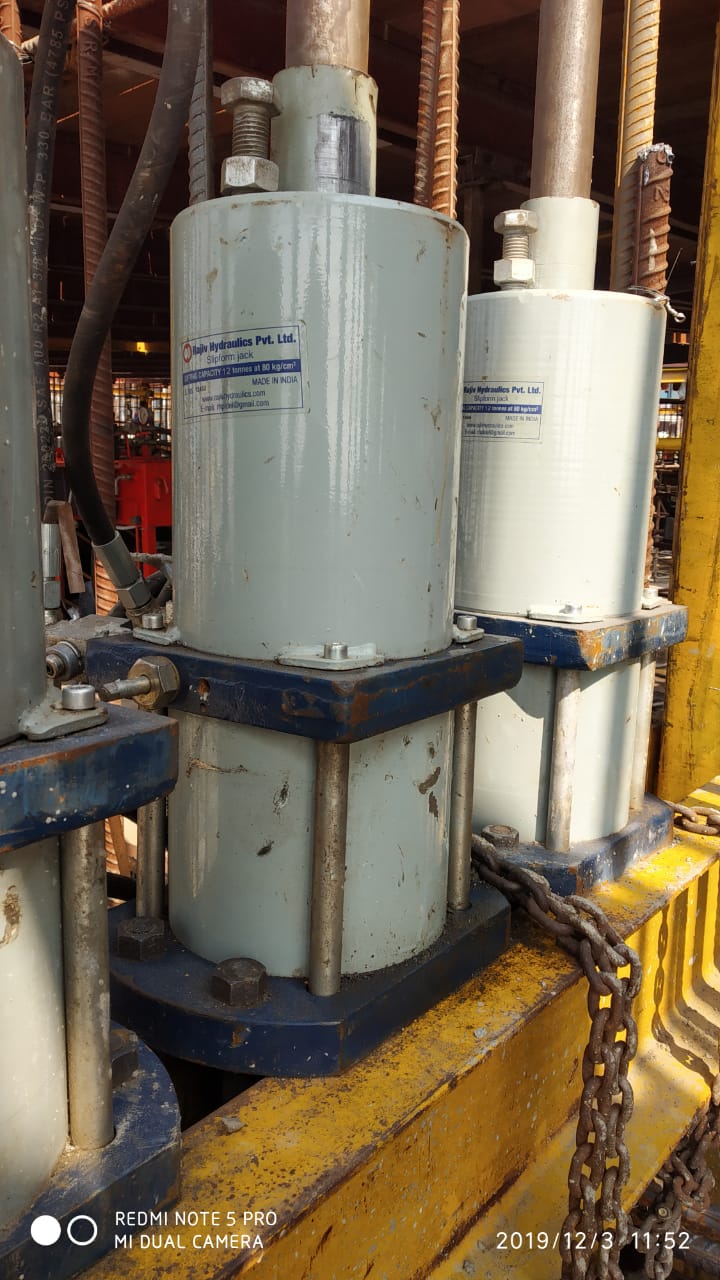
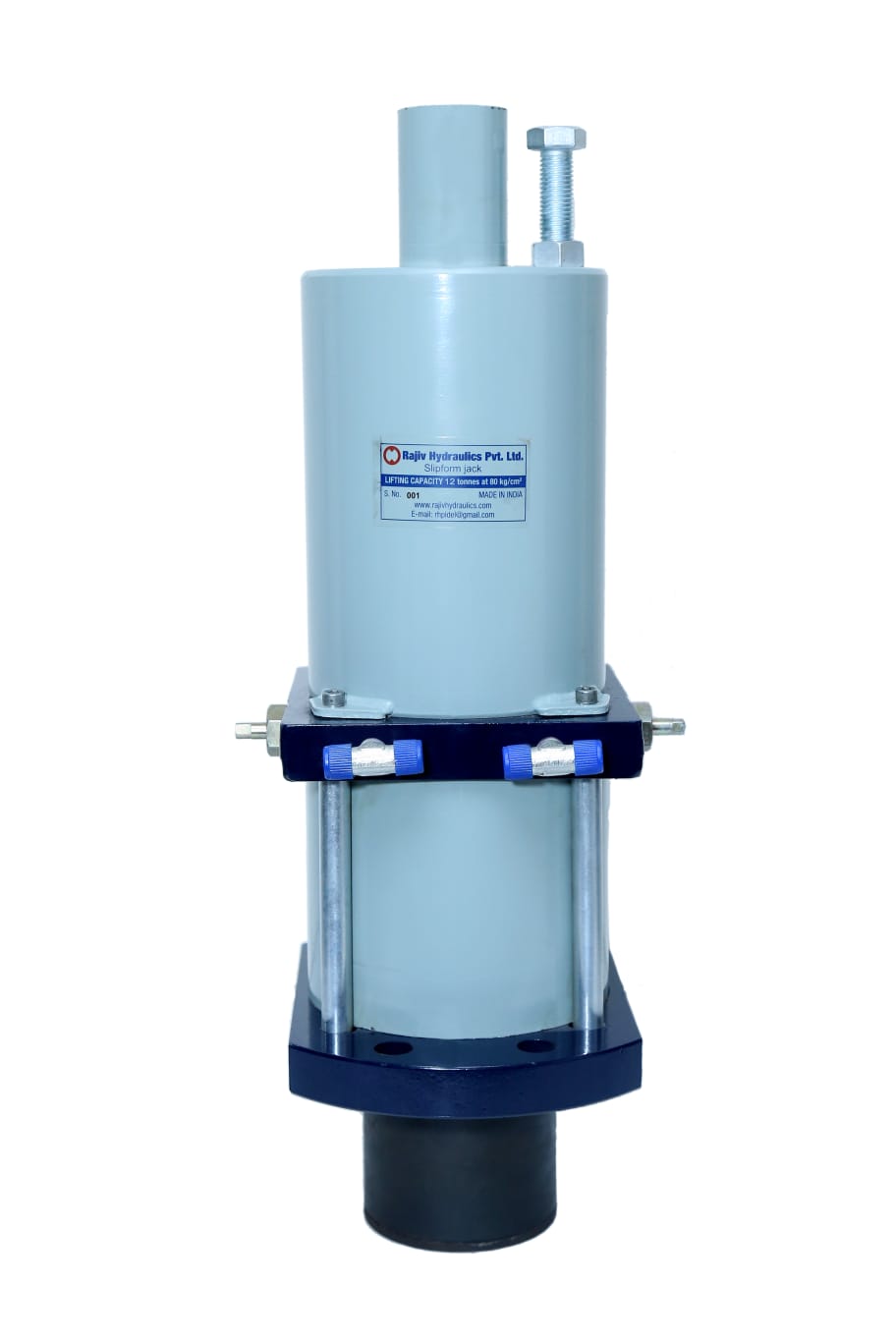
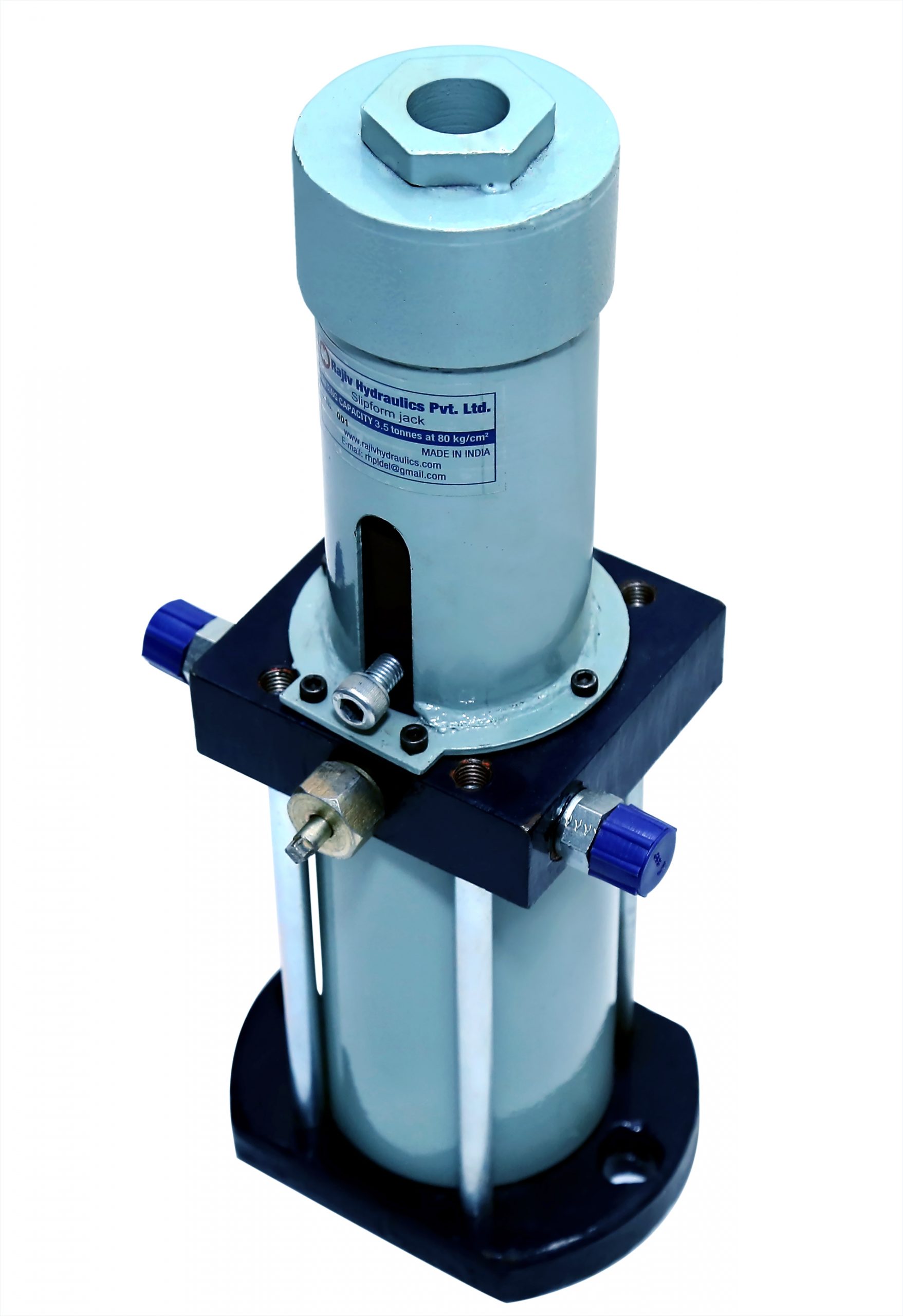
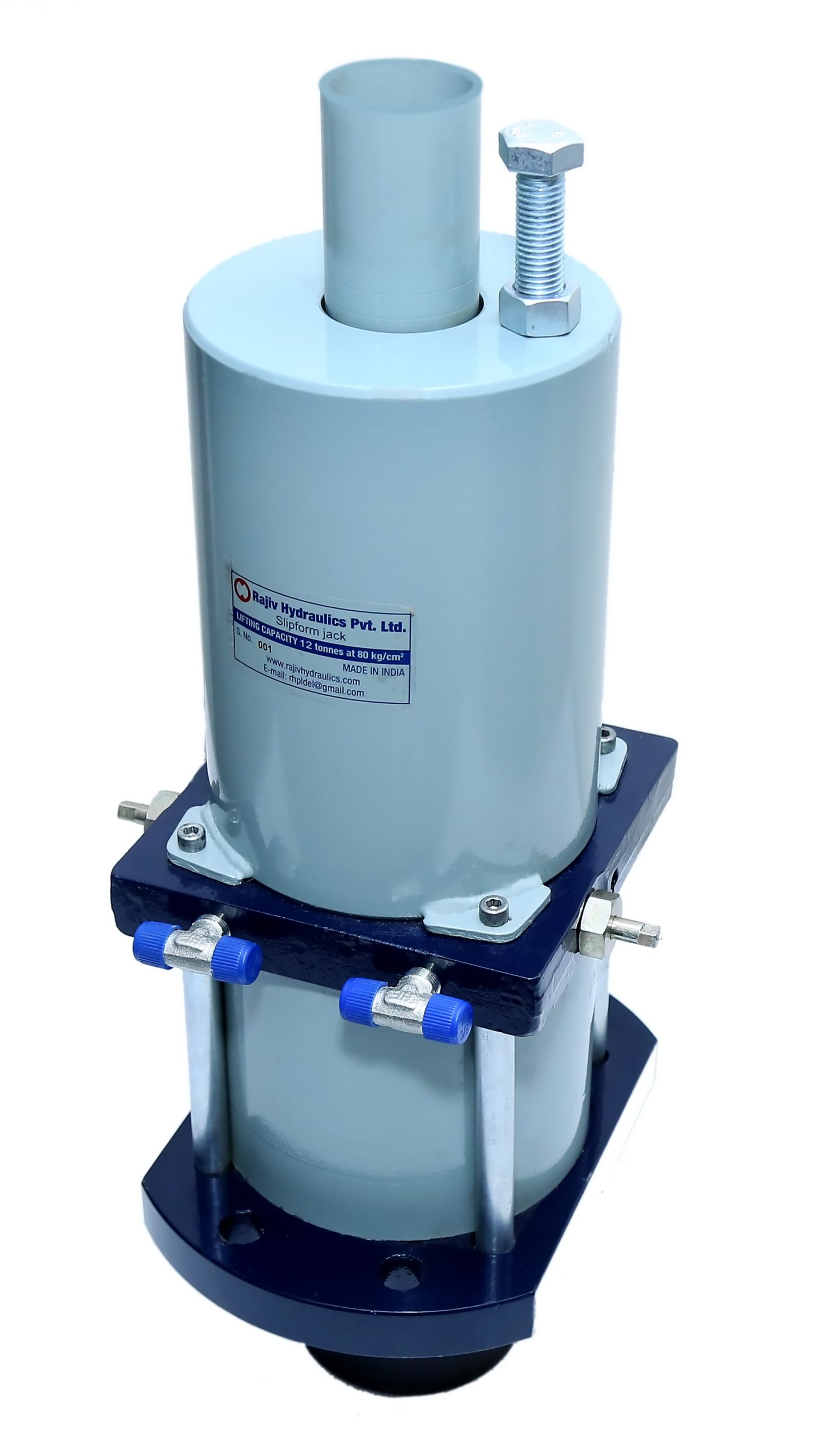
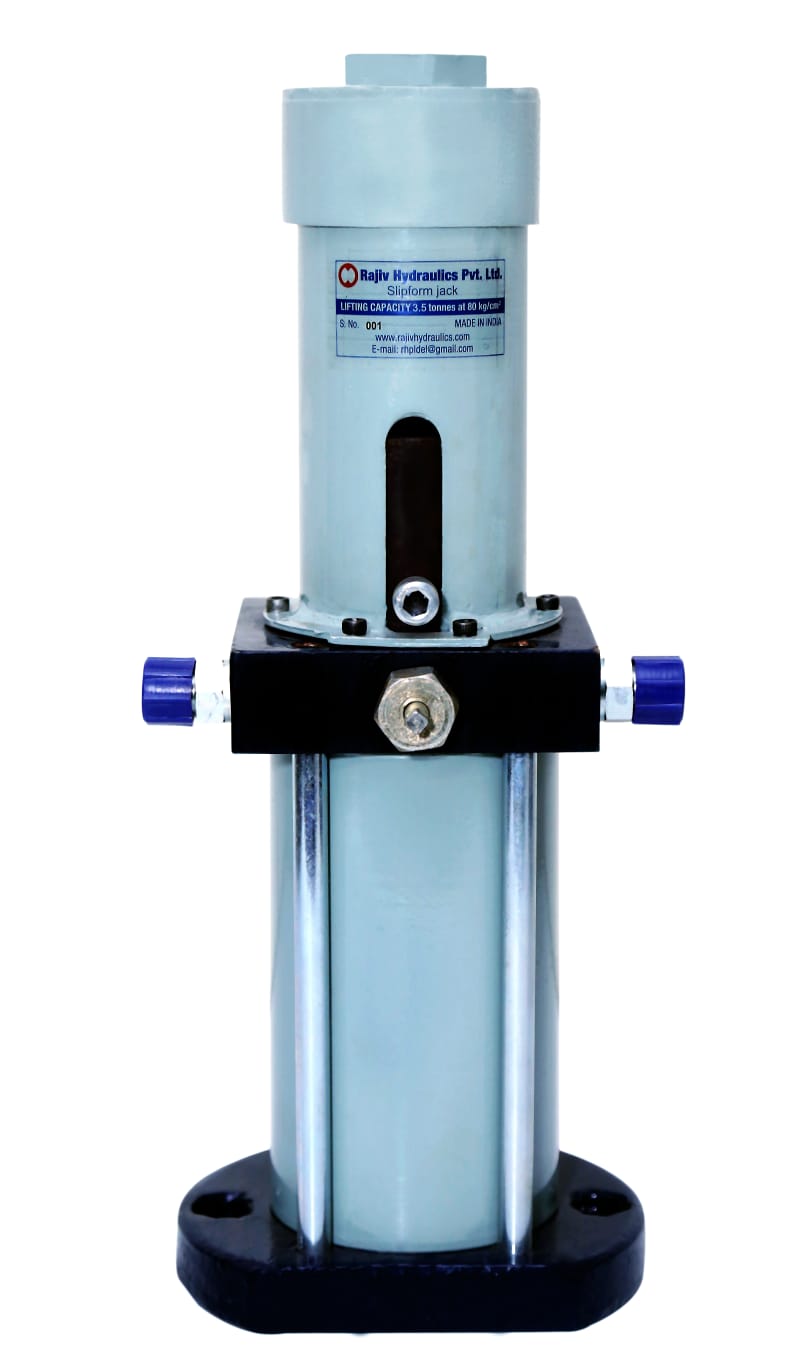
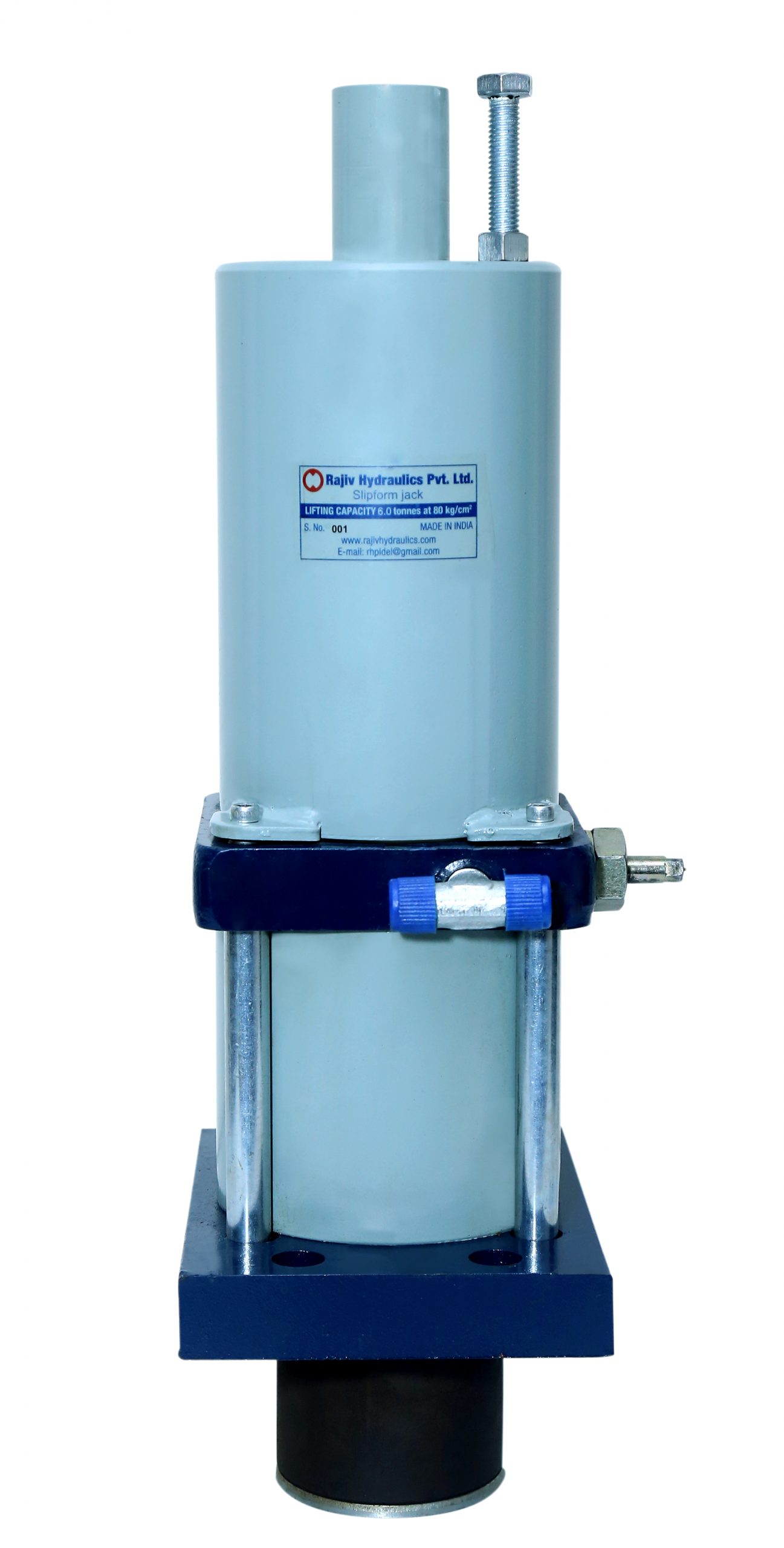
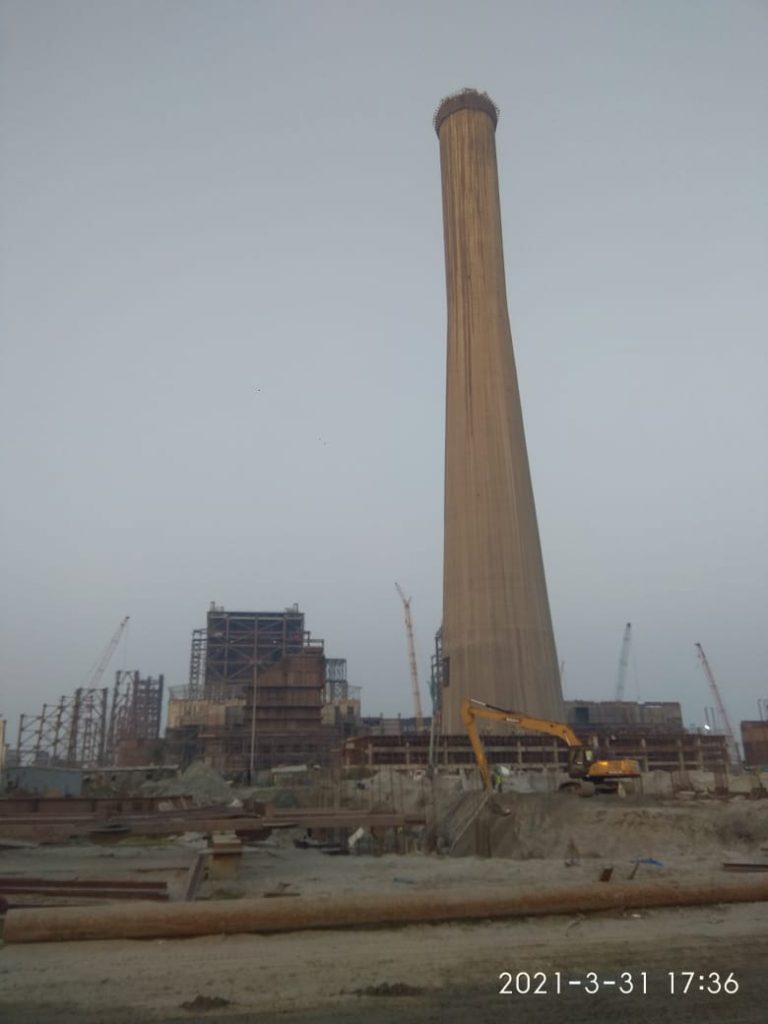
Slipform jacks are an essential component of the slipform construction process, which is used to build tall structures such as towers, bridges, and skyscrapers. Slipform jacks are hydraulic devices that are used to lift the slipform itself as the structure is being built.
The slipform construction process involves the use of a large formwork system that is slowly lifted upwards as the structure is being built. This formwork system is essentially a large mold that is used to shape the concrete as it is poured. The slipform jacks are used to lift the formwork system up, allowing the concrete to be poured into the mold at the bottom. As the concrete is poured and sets, the slipform jacks lift the formwork system up, allowing the next section of the structure to be poured.
Slipform jacks consist of a hydraulic cylinder and a piston that are used to lift the formwork system. The hydraulic cylinder is filled with a fluid such as oil, which is pressurized to lift the piston. The piston is attached to the slipform and lifts it up as the pressure in the cylinder increases.
The slipform jacks are controlled by a computerized system that ensures that the lifting is smooth and controlled. This is important because any sudden movements or jerks in the lifting process could cause the concrete to crack or become uneven.
Slipform jacks are also designed to be able to withstand the weight of the slipform and the concrete being poured into it. This means that they are made from high-quality materials such as steel and are tested rigorously before being used in the construction process.
In summary, slipform jacks are an essential component of the slipform construction process, allowing tall structures to be built